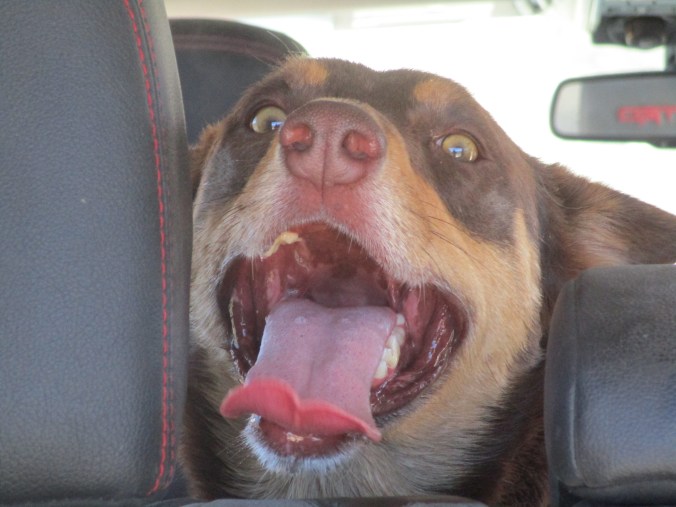
It is very easy for anyone to be smitten when they see a baby animal, and with the kids clamoring for that cute little puppy or kitten, it is hard to use better judgment and say no. Too often, people are carried away in the moment and bring home an animal that is not suited for their home, nor their personality. That cute puppy with the huge paws you thought was so adorable as a baby has now grown to be the size of a miniature horse and is eating you out of house and home, or what is left of what he hasn’t chewed up or damaged. The cuddly little hamster has kept you awake since you got him, because no one told you that they love to run on their squeaky wheel in the middle of the night. And why didn’t the previous owners of that elegant cat with the narrow face and stunning blue eyes tell you that Siamese are known for being very talkative and underfoot? Or that you have to constantly keep turning the volume up on the television so you can hear it over the parrot, the same one that just about bit your finger off the other day?
Situations like these are one of the main reasons that animals end up being rehomed, turned into the shelter, neglected and abandoned. In this day and age, even with all of the information that is available on the internet, people still bring home animals that do not suit their personality, living conditions or budget. Only a small percentage of pet buyers take the necessary time to research the particular animal they are interested in. Many times it is more of a spur of the moment action, with little forethought of how they are gong to integrate the new pet into their home. In comparison, when a couple are having a baby, they spend weeks and months preparing for the special day, pouring over everything they can read, watching videos and talking to family members and friends. There is a baby shower, a nursery created for the new little one in all the right colors and designs, and everyone waits with great anticipation for the new arrival. Sadly, on the opposite end of the spectrum, when a couple brings home a pet, they are rarely fully prepared for this new addition, even though they all require at least basic preparation and planning. In both situations, there is a new addition that will affect the day to day lives of the proud parents or owners for many years, and yet, sadly, even though the same research should be applied towards getting a new pet, it is not done, or not done thoroughly.
When considering bringing home a new addition, regardless of the species, take a few minutes to consider these questions, answering them honestly:
-
Why do you want a pet? What will the pet do for you? Is this something you have been considering for awhile, or more of a spur of the moment thing?
-
What type of personality do you have? Seriously consider how the chosen pet will affect you and your household.
-
What is your lifestyle? Busy? Hectic? Gone for long stretches at a time? Quiet? Active? Oudoors a lot? How will this affect a new pet?
-
Do you have time to commit, long-term, to this relationship? Many pets can easily live 12 -15 or more years. Are you willing to commit to that?
-
Do you have the time to commit to training the pet to be a good citizen? Or if you are not sure how to train it, do you have the funds to hire a professional trainer?
-
Are you attending college? Or recently graduated? If so, what are your short-term goals, will you be relocating? How difficult would it be to bring your new pet with you? What are your long-term goals? Will your pet fit in them for the next 5, 10, 15 years?
-
What is your financial situation? Can you afford to buy the correct, nutritious food that it will require to grow into a mature adult and to maintain its health? Can you afford regular health checkups, vaccinations, wormings, etc.?
-
If something happens to your new pet and it requires medical attention, are you able to pay for it?
-
Will it require special grooming, such as a Poodle would require? Veterinarian care do to common health issues?
-
If you are married, or have roommates or family living with you, what are their opinions on the new addition?
-
If you don’t live alone, are there any people living with you who may have allergies to the new pet? Any fears, or strong objections?
-
Are you buying the pet for your child or children? While owning a pet can be very beneficial and rewarding for children, make sure that they are mature enough and interested enough to take on the responsibility of caring for the pet. If there is any doubt of them willingly taking care of the animal for it’s natural lifetime (within reason), then seriousily reconsider adding a pet to the family, unless you as the parent are willing, and able, to shoulder the responsibility.
-
If you are single, will you consider dating or marrying someone who doesn’t like or get along with your pet? (If you would consider rehoming any pet because someone tells you “I love you, but you have to get rid of the animal,” then maybe you should rethink getting a pet.)
-
What are your living conditions? Do you own your own home? If you rent, is the new pet allowed? Is your home suitable for the new pet? Is there room for proper exercise? Shelter?
-
Are you willing to sacrifice family vacations or spur-of-the-moment trips? Some pets you can easily not be home for, for a short time period, but others you can not leave without making some plans ahead of time for someone else to care for them while you are gone.
-
Do you have any neighbors who might not like a new addition? Will any of them potentially cause problems?
-
And, most importantly, are you dedicated to providing the pet a forever home, and willing to ask for assistance if something comes up that you don’t know how to handle?
It is very important that you answer these questions honestly. The more honest you are, the more fulfilling a relationship you will have with your new pet, as long as you make sure that the pet will fit into your lifestyle and personality. Keep in mind that the animal is just what it is, and can only adapt so much to any situation. You, as the owner, are solely responsible for doing the best you can to make sure that the relationship is a good fit. Keep in mind that few marriages can succeed if one of the couple loves to travel and see the world, while the other prefers to stay at home with the kids and is content with that. Or if one loves the city life and the other would prefer to live in the country, miles away from town. These relationships can work out, but it takes a lot of work and commitment. You are the only one in a human/pet relationship that can make that decision. The animal has absolutely no choice, so make sure that you consider the personality of the animal that you are considering, and how it would fit in your lifestyle, and with your personality and habits. If it doesn’t fit, the relationship will most likely not work, and that is not fair to the animal. You and you alone are responsible for making the right choices in this relationship.
Research the needs of the species that you are considering. Some will be relatively easy to care for and will require little from you. Others will require much more interaction and training to fit in. Talk to as many owners as you can, join the different groups online that are dedicated to that species or breed, locate the association and read their literature, attend shows or conferences if possible and meet some in person. This assures that you have a better chance of making the right choice, as sometimes, what might look interesting and possible in a book or online, does not in suit you in reality. You may find, in talking to others, that there are things about your chosen pet that wasn’t something that was evident in the beginning, and that doesn’t fit your lifestyle or personality.
Familiarize yourself with the different breeds within the species you are considering. For example, there are over 300 breeds of dogs, each with their own unique personalities and needs. These 300 plus breeds of dogs are usually broken down into various groups, such as sporting (bird dogs), hunting (hounds), working (police dogs, protection, livestock guardians, draft/carting dogs), herding, terrier, toy and companion. The dogs that fit into these categories have similar temperaments, instincts and personalities. When purchasing a dog, it is very important to know, or at least have an idea of, where your dog fits in the breeds. This will help you determine if that dog will fit into your home. The same is true for cats. They are broken into different groups also. The American Cat Association has 11 groups of cat breeds, Persian, Domestic, Foreign, Burmese, Maine Coon, Rex, Curl, Hairless, Doxie and Wild. While there will be variances in each group, most of them will have similar characteristics and personalities within each group. The same will be true of most species of pet animals, and should be thoroughly researched before deciding on which would suit you and your lifestyle.
If you are looking for a pet that you can reliably predict the temperament, size and health on, then it would be best if you searched for people who are responsible breeders of that particular animal. Do your research, contact any parent club that you can find and look for breeders in good standing with that club. Depending on the pet you have chosen, ask for any health records, recommended tests and certifications of the parents before making the decision to purchase a pet from that breeder. For example, there is a registry, Orthopedic Foundation for Animals, for dogs and cats who have been tested for known genetic issues. They also have a list of what each breed is known to possibly have a predispostion for. Even if you decide not to purchase a pet from a known breeder, at least take the time to learn what health issues or other issues may show up in your chosen pet.
In regards to “rescuing” a pet from the shelter, keep in mind that many of these animals have been abandoned, given up on, or are unwanted due to behaviors that the previous owner(s) did not have the ability or desire to work with and resolve. While most of the shelters and rescues try very diligently to honestly access the pet, there may still be unknowns, and hence, risks in adopting a pet. If you are not looking for a purebred, registered pet from a responsible breeder, be aware that the dog in front of you that looks like a purebred Australian Shepherd, may actually have traits that you were not expecting, such as the personality of a Labrador Retriever instead of an Australian Shepherd because the mother was a Labrador. In many pet homes, this may not cause concerns, but if you own poultry, or your neighbors own poultry, this may cause serious problems. Mixed breeds are unknowns, and while they make awesome companions, they should be brought into the home with the knowledge that you do not know for sure what you have and what traits may appear. Keep in mind also that any pet who does not have a known background can pose a risk. This could be in temperament, behavior, energy level, or size as well as health issues.
Take the time to write down what you are looking for. Why you want a pet, and what you expect from that pet. What are the potential pros and cons of owning this particular type of pet? How will that pet fit into your lifestyle? Do you have the patience to live daily with the pet? This could be for a long time. Are you committed enough for that?
If you take the time to do your research, and be honest with yourself and fair to the animal, you will be rewarded with a long and mutually beneficial relationship!
 Buy Pets Responsibly